
Luxury travel in the Dolomites: discover Trentino and South Tyrol
Most people picture Tuscany or the Amalfi Coast when they think of luxury travel in Italy. The Dolomites have a different kind of magic. Wilder, quieter, more layered. And once you have experienced it properly, nothing else quite compares.
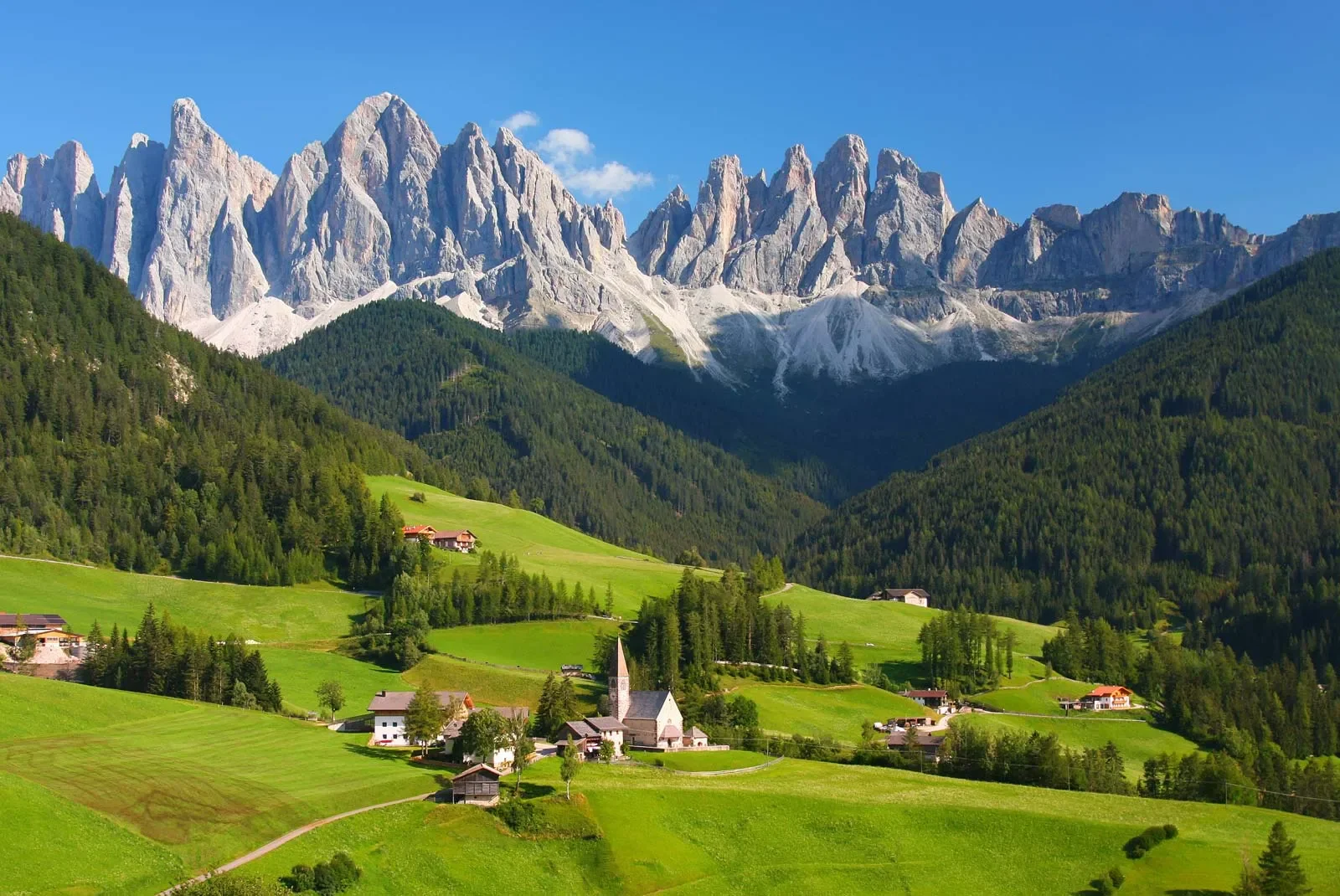
Dolomites Peaks of the Dolomites, a section of the northern Italian Alps, as seen from the Val di Funes, Italy.
Photo©: Britannica
This is a region that rewards depth. The valleys each have their own character, the food changes from one mountain pass to the next, and the experiences worth having are rarely the ones that show up first in a search. Here is what the Dolomites actually offer, and why they belong on a serious Italy itinerary.
Why the Dolomites belong on your Italy itinerary
The Dolomites are a UNESCO World Heritage Site, with a landscape that genuinely earns the description: vertical limestone peaks, emerald valleys, ancient forests, and villages that feel untouched in a way that most of Italy no longer does.
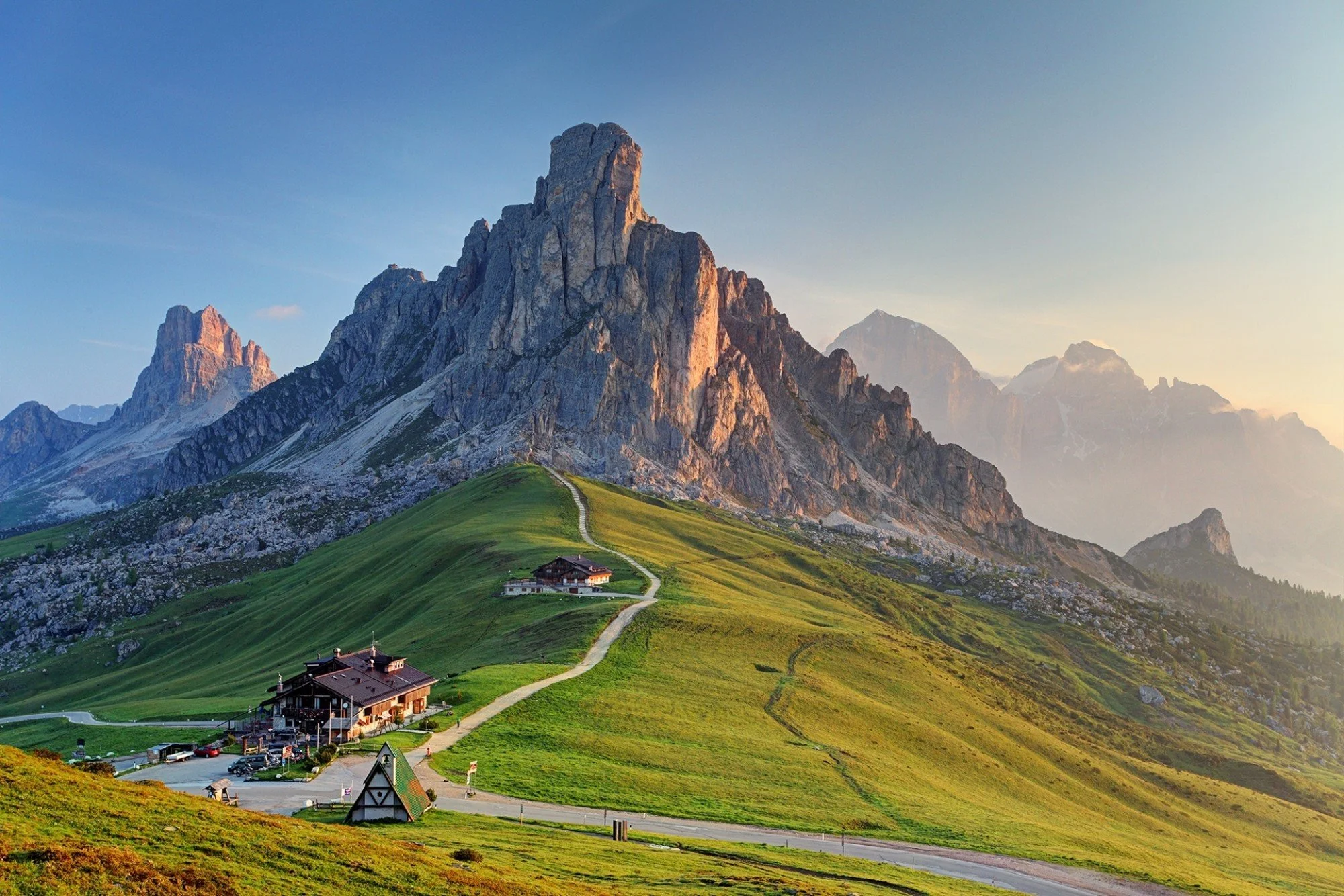
Passo Giau - Dolomites, Italy
Photo©: ShutterStock/TTstudio
But the scenery is only the beginning. This is a region with a remarkable concentration of five-star properties, Michelin-starred restaurants, and thermal spa traditions that go back centuries. It sits at the crossroads of Italian, Austrian, and Ladin cultures, which means the food, wine, and character of each valley feel completely distinct. A well-planned week here can feel like three different countries.
Trentino: Val di Fassa, Val di Fiemme, and the Brenta Dolomites
Trentino is the more Italian-feeling half of the Dolomites: warmer in character, with a wine culture that rivals any region in the country. The valleys of Val di Fassa and Val di Fiemme are classic Dolomites: mountain villages, high-altitude trails, and in winter, skiing that connects to the legendary Sellaronda circuit.
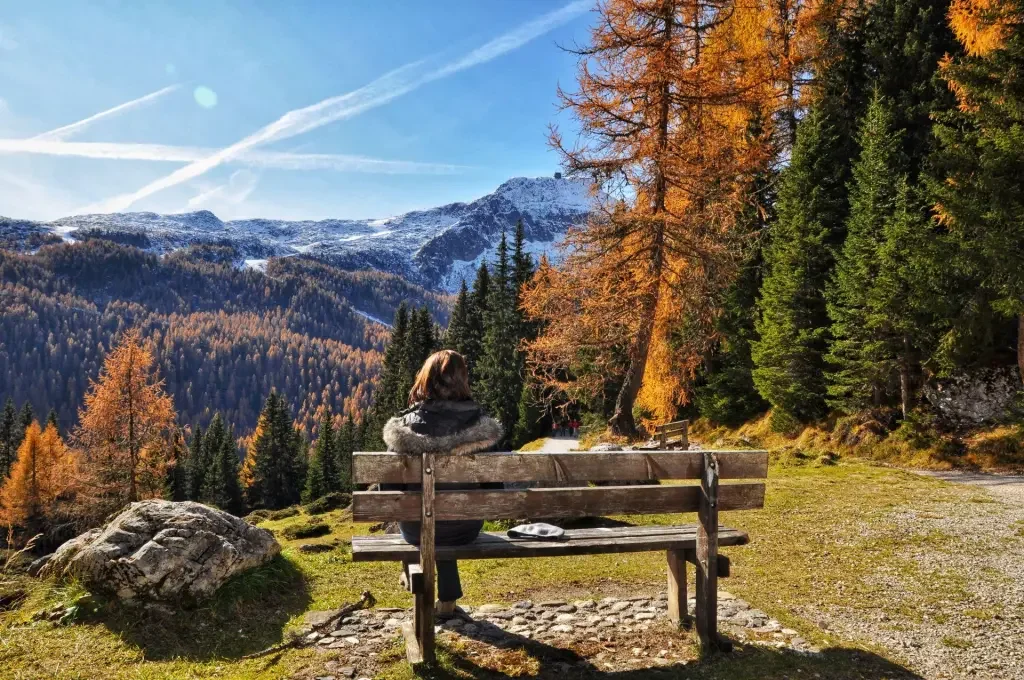
Golden autumn in Val di Fassa
Photo©: Residence La Roggia
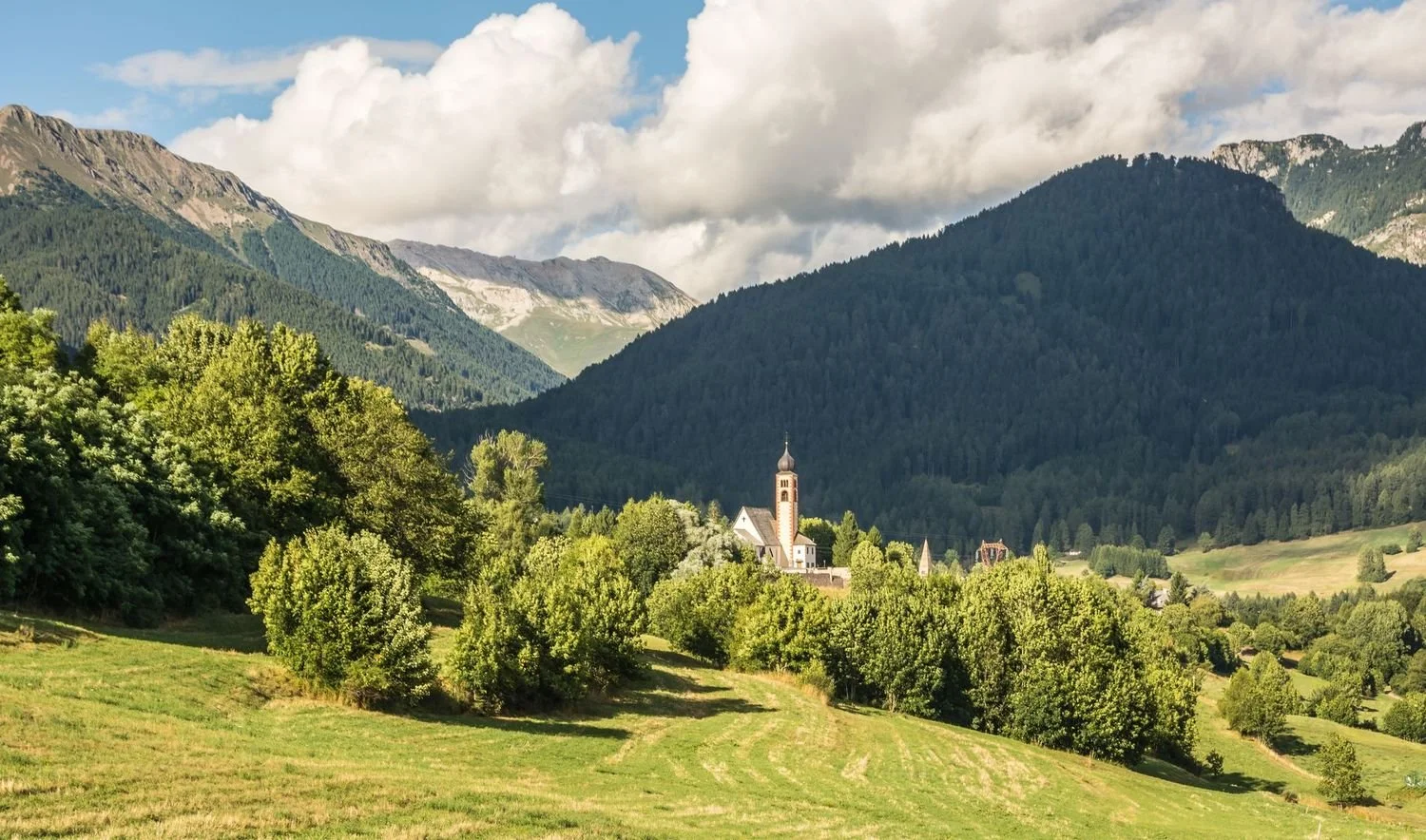
Summer in Val di Fiemme
Photo©: ShutterStock/lorenza62
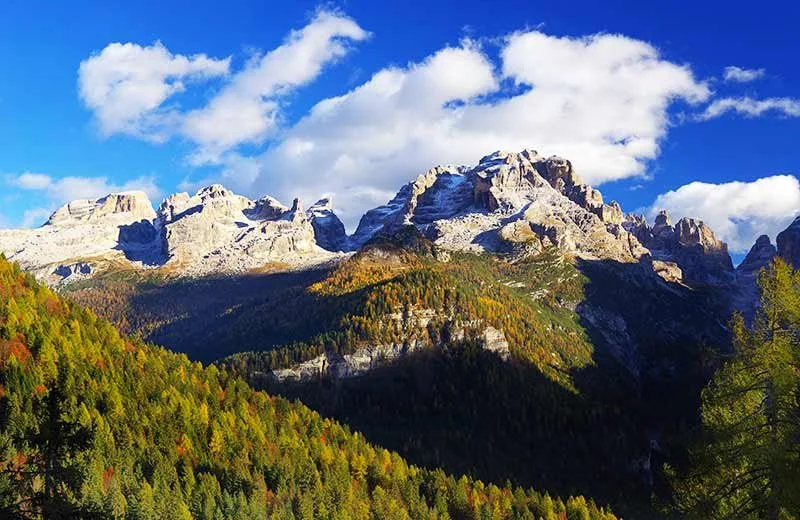
The impressive walls of the Brenta Dolomites
Photo©: ShutterStock/Mikadun
Further west, the Brenta Dolomites near Madonna di Campiglio offer some of the most dramatic scenery in the entire Alps. This resort town has been drawing European aristocracy since the 19th century, and the quality of hospitality here reflects that heritage.
Trentino is also serious wine country. The Teroldego grape, grown on the flat valley floor near Trento, produces bold, complex reds that rarely leave the region. The small family producers here don't have websites or tasting room hours. Sitting in a cellar with a fourth-generation winemaker, tasting straight from the barrel, is the kind of afternoon that becomes the story of the trip.
South Tyrol: Bolzano, Merano, Val Gardena, and Alta Badia
South Tyrol has a different energy: more Alpine, with strong Austrian influence in its architecture, food, and pace. Bolzano and Merano have an elegance unlike anywhere else in Italy, and the wellness culture here is exceptional. Merano has been a therapeutic destination since the Habsburg era, and the spa experiences at the finest properties here go far beyond a standard hotel treatment menu.
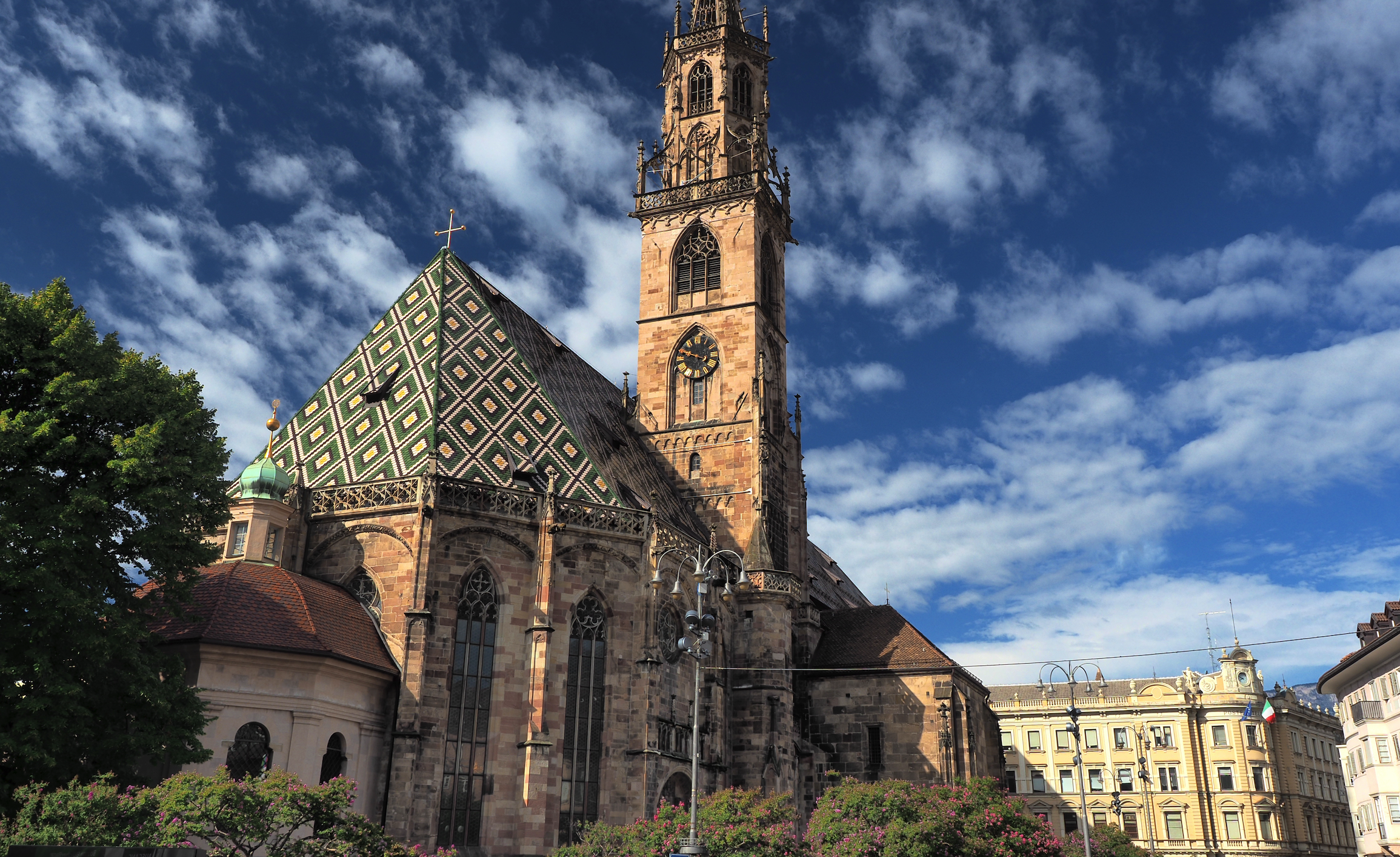
Bolzano
Photo©: Dmitry Djouce
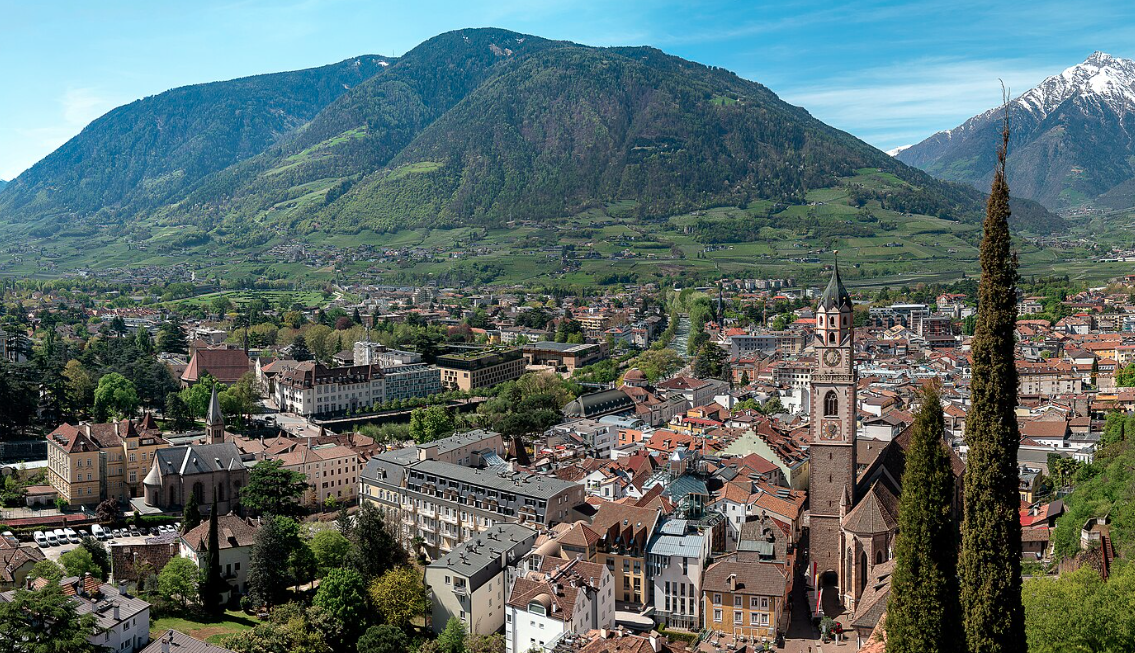
View of Merano
Photo©: Rolf Kranz
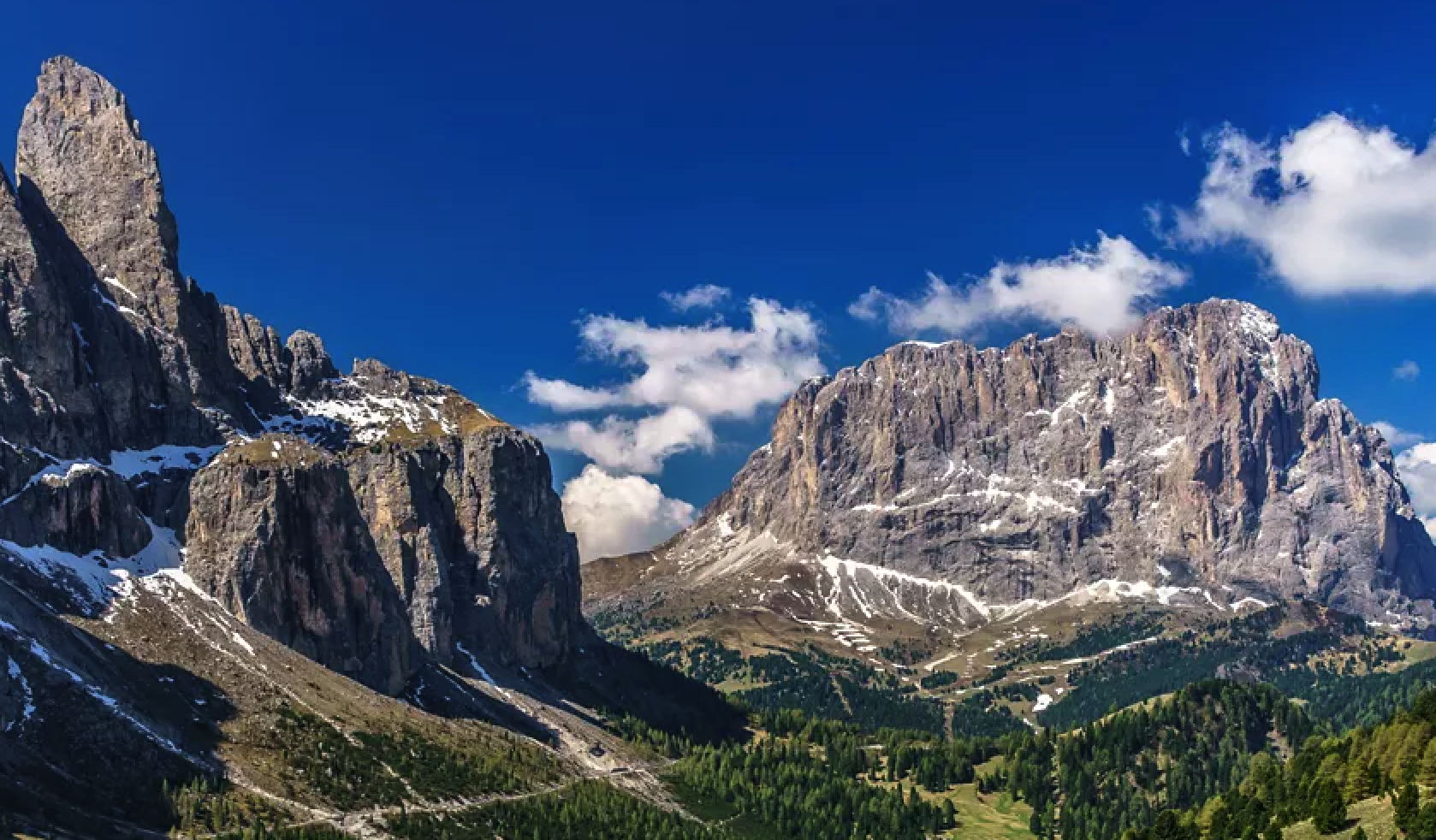
Val Gardena
Photo©: gettyimages/Achim Thomae
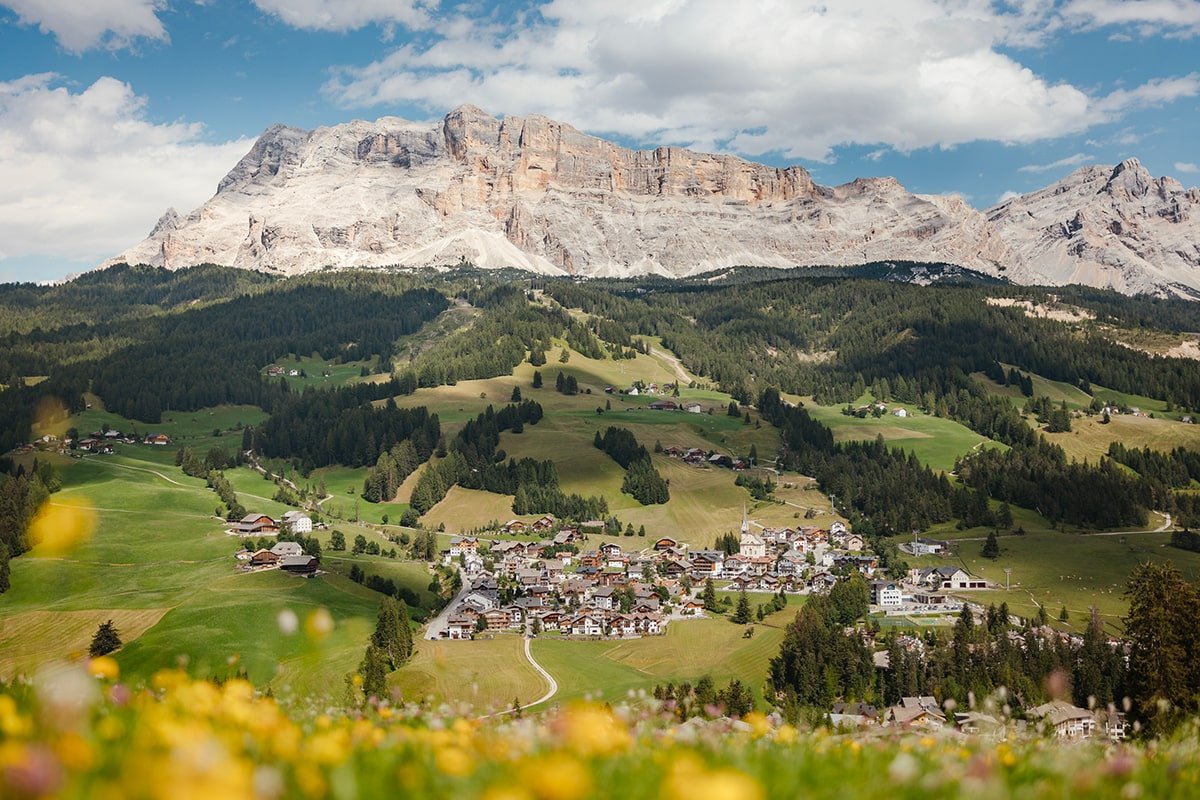
Alta Badia
ShutterStock©: Nido Huebl
The valleys of Val Gardena and Alta Badia are the heart of the skiing Dolomites, connected by the Dolomiti Superski pass. In summer, these same valleys open into world-class hiking terrain. Alta Badia is also where the Dolomites' most exciting food scene lives: a remarkable concentration of Michelin stars rooted in Ladin culinary tradition, at restaurants that require reservations made months in advance.
Experiences worth building a trip around
Guided hikes on trails like Seceda above Val Gardena, with panoramic views across multiple valleys and a pace that is yours entirely
Private cellar visits with small Trentino wine producers whose Teroldego and Marzemino rarely make it outside the region
Michelin dining in Alta Badia, at restaurants serving Ladin cuisine you genuinely cannot find anywhere else
Wellness in Merano, where the thermal tradition is centuries old and the treatments are designed around you, not pulled from a standard menu
Toerggelen in autumn: the South Tyrolean harvest tradition of moving farm to farm tasting new wine and roasted chestnuts. Entirely authentic, nothing like a tourist experience
Alpine picnics and horseback excursions in parts of the landscape no road reaches
When to go
Summer (June through September) is prime hiking season. June and September offer the same trails and scenery with a fraction of the peak-month crowds.
Winter (December through March) is ski season: the Sellaronda circuit, the village atmosphere, the Dolomites under snow. The best properties and guides fill well in advance.
Autumn (October through November) is the season most visitors miss entirely. Golden larch forests, empty trails, and the Toerggelen harvest season make this one of the finest food and wine travel moments in all of Italy.
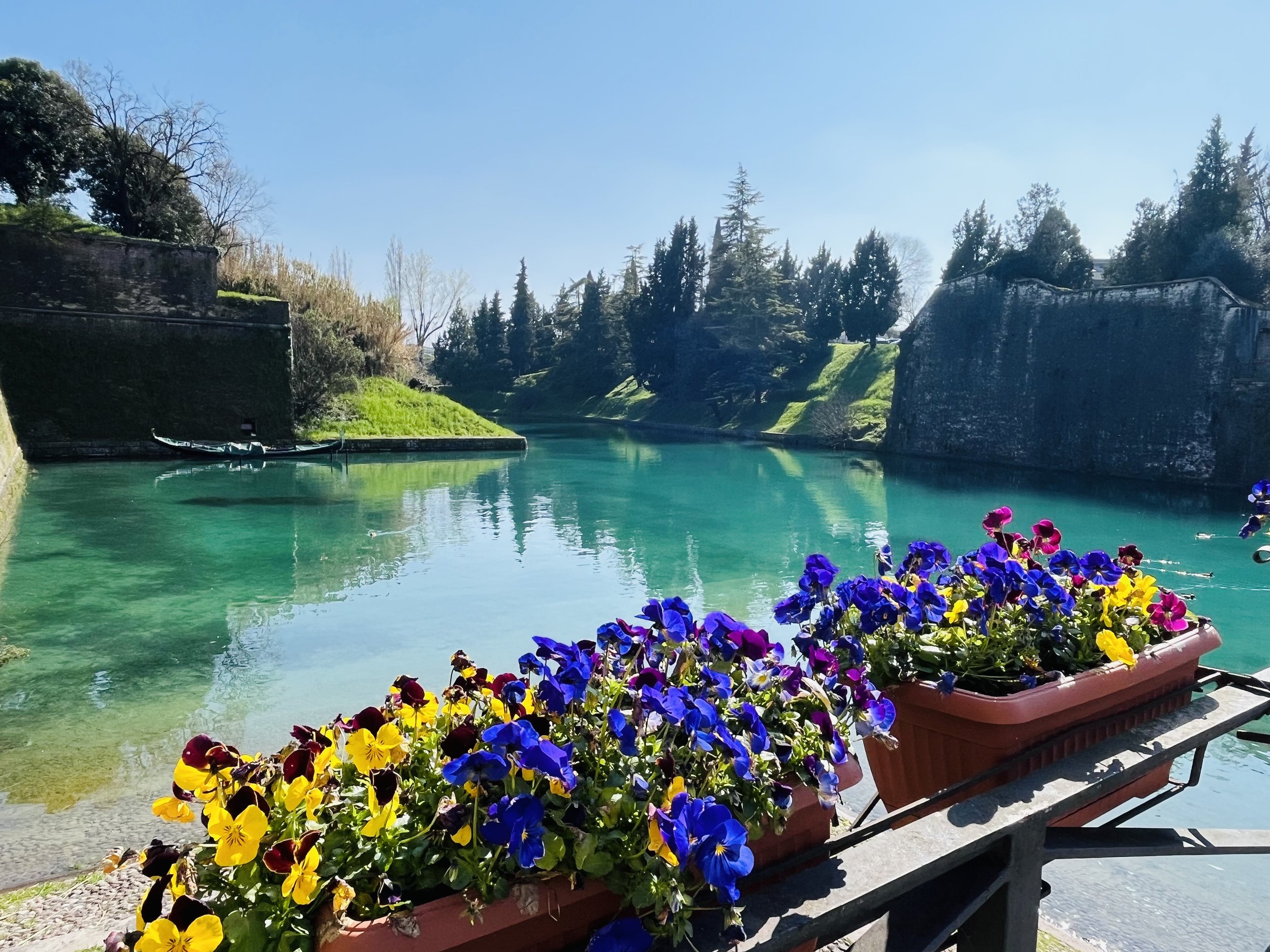
Photo©: Anna Fishman
Spring (April through May) brings wildflowers and gentle temperatures, ideal for walking and cycling before the summer season begins.
The Dolomites within a larger Italy itinerary
The Dolomites connect naturally to other parts of Italy and central Europe.
Lake Garda, Verona, and Venice for a classic northern Italy circuit
Milan and Lake Como for design lovers who also want mountain time
Innsbruck, Salzburg, and Munich for a broader Alpine journey
Switzerland via the Bernina Express, one of the most scenic rail journeys in Europe